
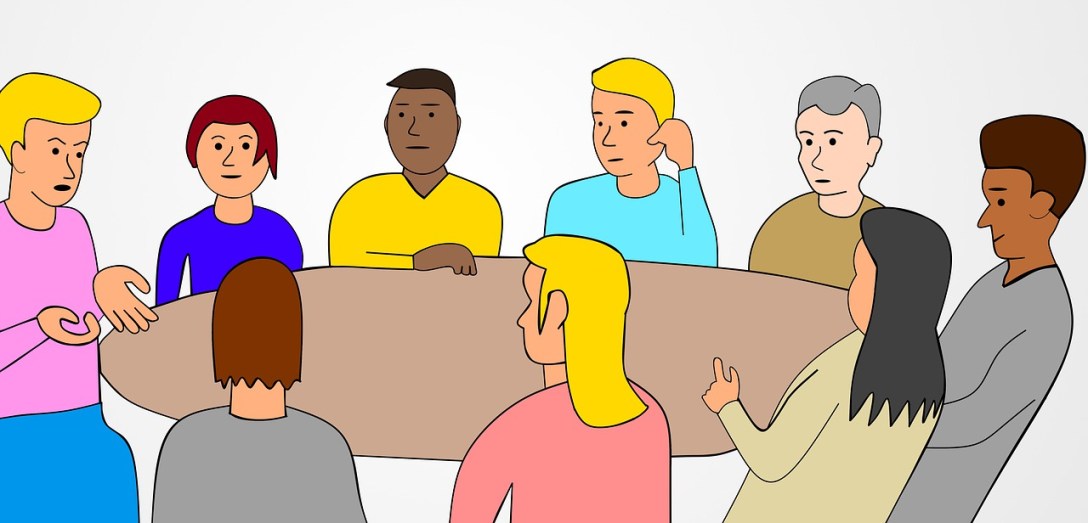
Support groups are an important resource for people who are dealing with difficult life challenges. In Toronto, there are many support groups available to help people dealing with a wide range of issues. These groups provide a safe and supportive environment for individuals to connect with others who are going through similar experiences. In this post, we will explore some of the support groups available in Toronto and how they can benefit those who participate.
- Mental Health Support Groups
Mental health support groups are designed to help individuals dealing with a variety of mental health challenges, including anxiety, depression, bipolar disorder, and schizophrenia. These groups provide a safe and non-judgmental environment for individuals to discuss their feelings and experiences with others who understand what they are going through. Mental health support groups in Toronto include the Centre for Addiction and Mental Health (CAMH) and the Mood Disorders Association of Ontario.
- Addiction Support Groups
Addiction support groups are designed to help individuals who are struggling with addiction. These groups provide a supportive environment where individuals can share their experiences and struggles with others who are dealing with similar issues. Addiction support groups in Toronto include Alcoholics Anonymous (AA), Narcotics Anonymous (NA), and SMART Recovery.
- Cancer Support Groups
Cancer support groups provide a safe and supportive environment for individuals dealing with cancer. These groups provide emotional support and practical advice to individuals who are dealing with the challenges of cancer. Cancer support groups in Toronto include the Canadian Cancer Society and Gilda’s Club.
- Caregiver Support Groups
Caregiver support groups are designed to help individuals who are caring for a loved one who is ill or disabled. These groups provide a supportive environment where individuals can share their experiences and struggles with others who are going through similar situations. Caregiver support groups in Toronto include the Alzheimer Society of Toronto and the Canadian Caregiver Network.
- LGBTQ+ Support Groups
LGBTQ+ support groups are designed to provide a safe and supportive environment for individuals who identify as LGBTQ+. These groups provide emotional support and resources for individuals who may be dealing with discrimination, isolation, or other challenges. LGBTQ+ support groups in Toronto include the 519 and the LGBT Youth Line.
- Parenting Support Groups
Parenting support groups provide a supportive environment for individuals who are raising children. These groups provide a forum for parents to share their experiences and challenges with others who are going through similar situations. Parenting support groups in Toronto include the Parenting Network and Toronto Parents of Multiple Births Association.
- Domestic Violence Support Groups
Domestic violence support groups provide a safe and supportive environment for individuals who have experienced domestic violence. These groups provide emotional support and practical advice to individuals who are dealing with the effects of domestic violence. Domestic violence support groups in Toronto include the Assaulted Women’s Helpline and the Women’s Habitat of Etobicoke.
Participating in support groups can provide many benefits, including emotional support, practical advice, and a sense of community. Support groups can also help individuals develop coping skills and strategies for dealing with difficult situations. If you are considering joining a support group, it is important to do some research and find a group that is a good fit for your needs. Many support groups offer online resources and virtual meetings, making it easier to participate from the comfort of your own home.
In conclusion, support groups are an important resource for individuals dealing with difficult life challenges. Toronto has many support groups available for individuals dealing with a wide range of issues, including mental health, addiction, cancer, caregiving, LGBTQ+ issues, parenting, and domestic violence. Participating in a support group can provide many benefits, including emotional support, practical advice, and a sense of community. If you are struggling with a difficult situation, consider reaching out to a support group for help and support.
Related Posts


