
Introduction
As of July 21, 2023, Toronto is facing an escalating refugee crisis that demands immediate attention and concerted efforts from all levels of government. The situation has reached a tipping point, with the city’s shelter system overwhelmed and unable to accommodate the growing number of asylum seekers and refugees. These vulnerable individuals, fleeing dire situations in their home countries, are left stranded on the streets, enduring harsh weather conditions and a lack of basic necessities. This blog post aims to shed light on the gravity of the crisis, examine its causes, and emphasize the urgency of finding sustainable solutions to provide refuge and support for those seeking safety in Toronto.
The Escalating Crisis
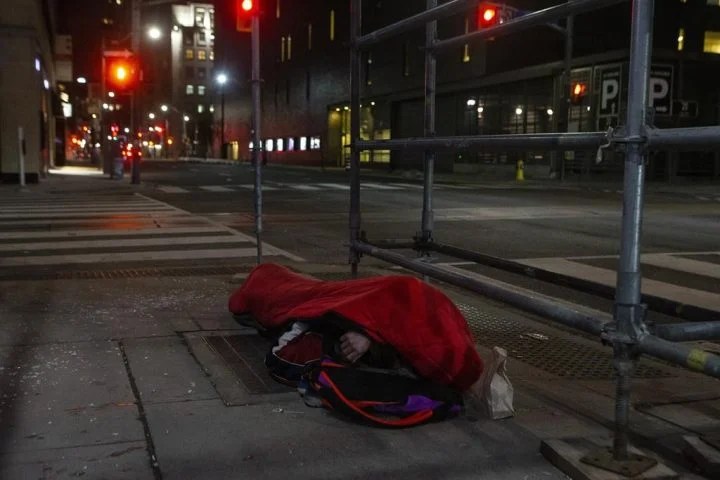
The crisis has become evident on the sidewalks outside the shelter intake office, located at 129 Peter Street. For several days, a group of asylum seekers and refugees, predominantly from African countries, has camped outside this building, waiting for answers and assistance amid the at-capacity shelter system [1]. With limited access to food and supplies, they endure the scorching summer heat and rain, in a situation that can only be described as a humanitarian emergency.
Root Causes
A significant contributing factor to the crisis is the backlog of refugees stuck in Toronto shelters. The delay in receiving rental top-up funding, which helps refugees move into private rental accommodations, has resulted in limited vacancies within the shelters, exacerbating the issue [3]. The situation is further complicated by a funding dispute among municipal, provincial, and federal governments, each pointing fingers instead of taking immediate action.
Inadequate Support and Solutions
The refugee crisis in Toronto is straining the city’s shelter system, prompting shelters to turn away newcomers and refer them to federal programs instead. However, this solution leaves many asylum seekers in limbo, unable to access federal help until their claims are fully granted, forcing them to sleep on the streets. The urgency of the situation necessitates collaborative action and a coherent approach to provide support and stability for those seeking refuge.
The Role of Government
The federal government has acknowledged the dire situation and pledged to provide financial assistance to address the crisis. Immigration Minister Sean Fraser announced a one-time injection of $97 million to help Toronto house the influx of newcomers. However, advocacy groups and city officials argue that even this additional funding may not be enough to meet the needs of the refugees. Collaboration among all levels of government is crucial to ensure effective resource allocation and swift implementation of sustainable solutions.
The Humanitarian Imperative
The plight of the refugees sleeping on Toronto’s streets is nothing short of a humanitarian catastrophe. The city’s reputation as a sanctuary for those in need is at stake, and it is imperative that immediate action be taken to uphold the principles of compassion and support. Frontline organizations, civil service groups, and advocates have called on the government to act urgently and provide refuge and aid to those seeking safety.
Conclusion
The recent refugee crisis in Toronto demands our attention and immediate action. As the shelter system reaches capacity and hundreds of vulnerable individuals are left stranded on the streets, it is clear that this is not just a housing crisis or a homeless crisis but a humanitarian crisis of immense proportions. Collaborative efforts from the municipal, provincial, and federal governments are essential to provide adequate support, accommodation, and resources to those seeking refuge in the city. Only through compassionate and efficient action can Toronto uphold its reputation as a welcoming sanctuary city and offer a lifeline to those in need during their most vulnerable times.
Related Posts


