
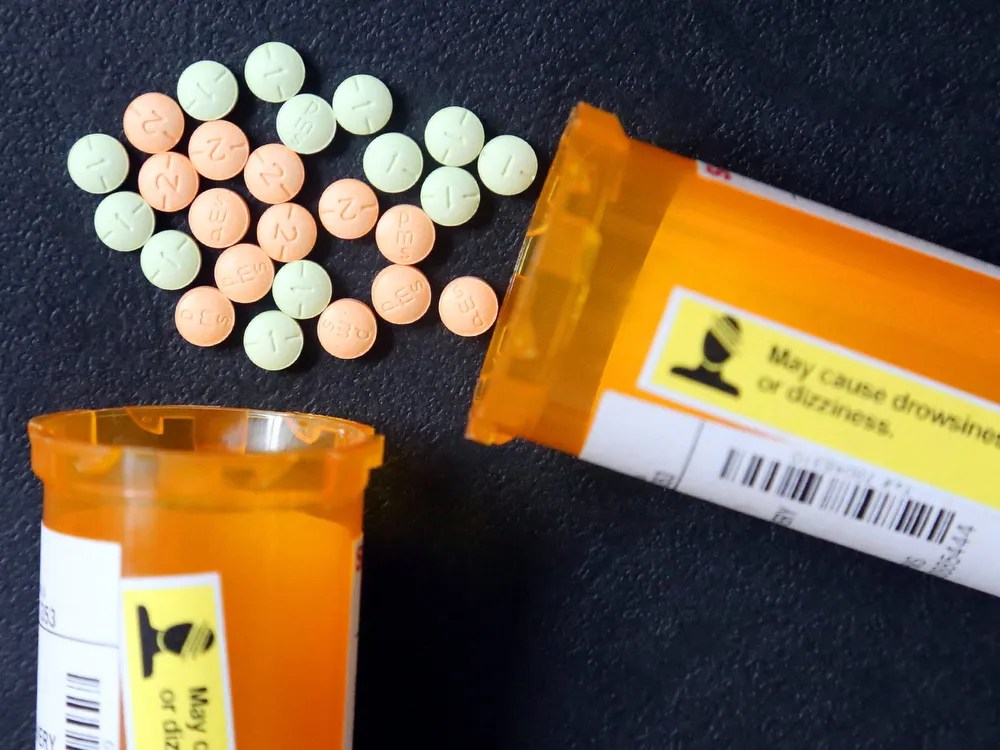
Toronto’s Drug Checking Service has detected a sharp increase in benzodiazepine-related drugs in the opioid supply since late January 2026. More than 40% of suspected fentanyl samples now contain benzo-dope variants—ethylbromazolam, desalkylgidazepam, ethylflualprazolam, bromazolam, and others—alongside medetomidine and high-potency opioids. Overdoses are up nearly 50% compared to last year. Here’s what’s in the supply and what to do about it.
What’s in the Supply Now
The mix has shifted. For most of 2025, veterinary tranquilizers dominated—medetomidine was in about 67% of fentanyl samples, while benzodiazepines sat around 14%. That’s flipped. As of March 2026, more than 40% of fentanyl samples contain benzodiazepine-related drugs, and medetomidine is still in the majority. The toxic cocktail: high-potency opioids + benzodiazepines + medetomidine.
The December 2025–January 2026 report (90 samples) showed:
- 85% of expected fentanyl samples contained a veterinary tranquilizer (mostly medetomidine; xylazine has dropped to about 2%)
- 85% contained at least one depressant—vet tranquilizers, benzos, or synthetic cannabinoids
- Fluorofentanyl averaged 6% in samples; fentanyl itself averaged only 0.2%
Street Health staff on Dundas East report people experiencing “extreme and extended periods of sedation”—unrousable for hours, shallow breathing, very low heart rates. The benzodiazepine surge has made that worse. Naloxone and oxygen alone often aren’t enough; paramedic calls are up.
Why Naloxone Isn’t Enough
Naloxone reverses opioid overdoses. It doesn’t reverse benzodiazepines or medetomidine. When someone has overdosed on fentanyl cut with benzos and medetomidine, naloxone may not work—or it may only partially reverse the opioid part while the person stays unconscious. The Drug Checking Service advises: use naloxone, prioritize breathing, and call 911 every time.
Still use naloxone. It can buy time. But don’t assume it will bring someone back. Call 911.
What You Can Do
- Call 911 in any overdose. The Good Samaritan Drug Overdose Act protects you from drug possession charges when you call for help.
- Carry naloxone and know how to use it. Free kits are available at pharmacies and harm reduction agencies across Toronto.
- Prioritize breathing—rescue breaths if needed—while waiting for paramedics.
- Use with someone else when possible, or call the Overdose Prevention Line (1-888-853-8542) if you’re using alone in Ontario.
- Get your drugs checked before using. Toronto’s Drug Checking Service operates at Moss Park, Parkdale Queen West, and South Riverdale.
- Use a supervised consumption site if you can. Several have closed under Ontario’s Community Care and Recovery Act (which restricts sites within 200 metres of schools or daycares), but some remain open. Staff can respond if something goes wrong.
The Bigger Picture
Toronto paramedics responded to 350 suspected non-fatal opioid overdose calls in January 2026—a 47% increase from January 2025. Fatal overdoses held at 12 in both months. The Toronto Overdose Prevention Society has linked the rise to the closure of four supervised consumption sites. Fewer places to use safely, plus a more toxic supply, equals more overdoses.
The downtown supply is unpredictable. Benzo-dope is back, medetomidine is still dominant, and the combination is driving extreme sedation and rising harm. Use naloxone, prioritize breathing, call 911.
Related Posts


