
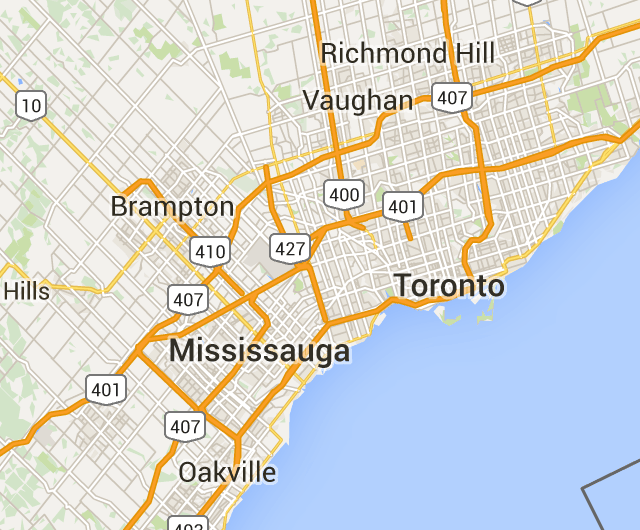
Understanding Toronto’s highway network is crucial for both residents and visitors alike. In this blog post, we will delve into the intricacies of Toronto’s highways, providing you with a comprehensive guide to navigate the city’s roadways effectively.
- The 400 Series Highways: Toronto’s highway system is primarily composed of the 400 series highways, named after Highway 400, which was the first in this series. These highways form the backbone of the city’s transportation network and connect Toronto with the Greater Toronto Area (GTA) and beyond.
- Highway 401: Often referred to as the “401,” it is the busiest highway in North America and spans nearly 820 kilometers from Windsor, Ontario, to the Quebec border. Within Toronto, it cuts through the heart of the city, connecting various neighborhoods and suburbs.
- Highway 404: This highway runs north from Highway 401, providing a direct route to the northern suburbs and communities like Markham and Newmarket.
- Highway 427: Serving the western suburbs, Highway 427 connects with the Gardiner Expressway and leads to Pearson International Airport.
- Highway 407 ETR: Although not a part of the 400 series, the 407 is a vital toll highway that provides an alternative route for those seeking to bypass the often congested 401.
- The Gardiner Expressway: The Gardiner Expressway is an elevated highway that runs along the shoreline of Lake Ontario, providing a scenic route into the heart of downtown Toronto. It connects with the Don Valley Parkway (DVP) to the north, forming an essential east-west link in the city.
- The Don Valley Parkway (DVP): Running parallel to the Don River, the DVP is a key north-south route through the eastern side of Toronto. It connects with the Gardiner Expressway in the south and Highway 401 in the north, making it a vital artery for commuters.
- The Queen Elizabeth Way (QEW): Although technically outside the city, the QEW is a crucial highway for those traveling to and from Toronto from the west. It connects with the Gardiner Expressway and serves as a primary route for traffic coming from cities like Hamilton and Niagara Falls.
- Navigating the Highway Network
- Rush Hour Traffic: Toronto is infamous for its rush hour traffic. The morning rush typically occurs from 7:30 am to 9:30 am, while the evening rush starts around 4:30 pm and extends to 6:30 pm. Avoiding these times or considering public transportation can help you navigate the city more efficiently.
- Alternative Routes: Due to the size and complexity of Toronto’s highway network, it’s essential to familiarize yourself with alternative routes. GPS apps like Google Maps or Waze can provide real-time traffic updates and suggest detours to avoid congestion.
- Public Transportation: Toronto boasts an extensive public transit system, including buses, streetcars, and a subway network. Consider using the TTC (Toronto Transit Commission) for convenient access to various parts of the city.
Understanding Toronto’s highway network is essential for making the most of your time in the city. The 400 series highways, Gardiner Expressway, DVP, and QEW form the core of the transportation system, allowing residents and visitors to navigate efficiently. However, it’s crucial to be aware of rush hour traffic and explore alternative routes to avoid congestion. Additionally, considering public transportation options can provide a convenient and eco-friendly alternative to driving. By mastering Toronto’s highway network, you’ll be better equipped to explore all that this vibrant city has to offer. Safe travels!
Related Posts


